

How do multiplayer gaming roles reflect day-to-day engineering archetypes at Zalando?
We regularly use multiplayer gaming mindsets to improve how we collaborate, communicate and handle our technical workflows. By turning gameplay mechanics into structured debugging frameworks and automated workflows, we optimise our systems and strengthen our team dynamics.
by Larry Almedia, Senior Software Engineer, Allam Abdel, Software Engineer
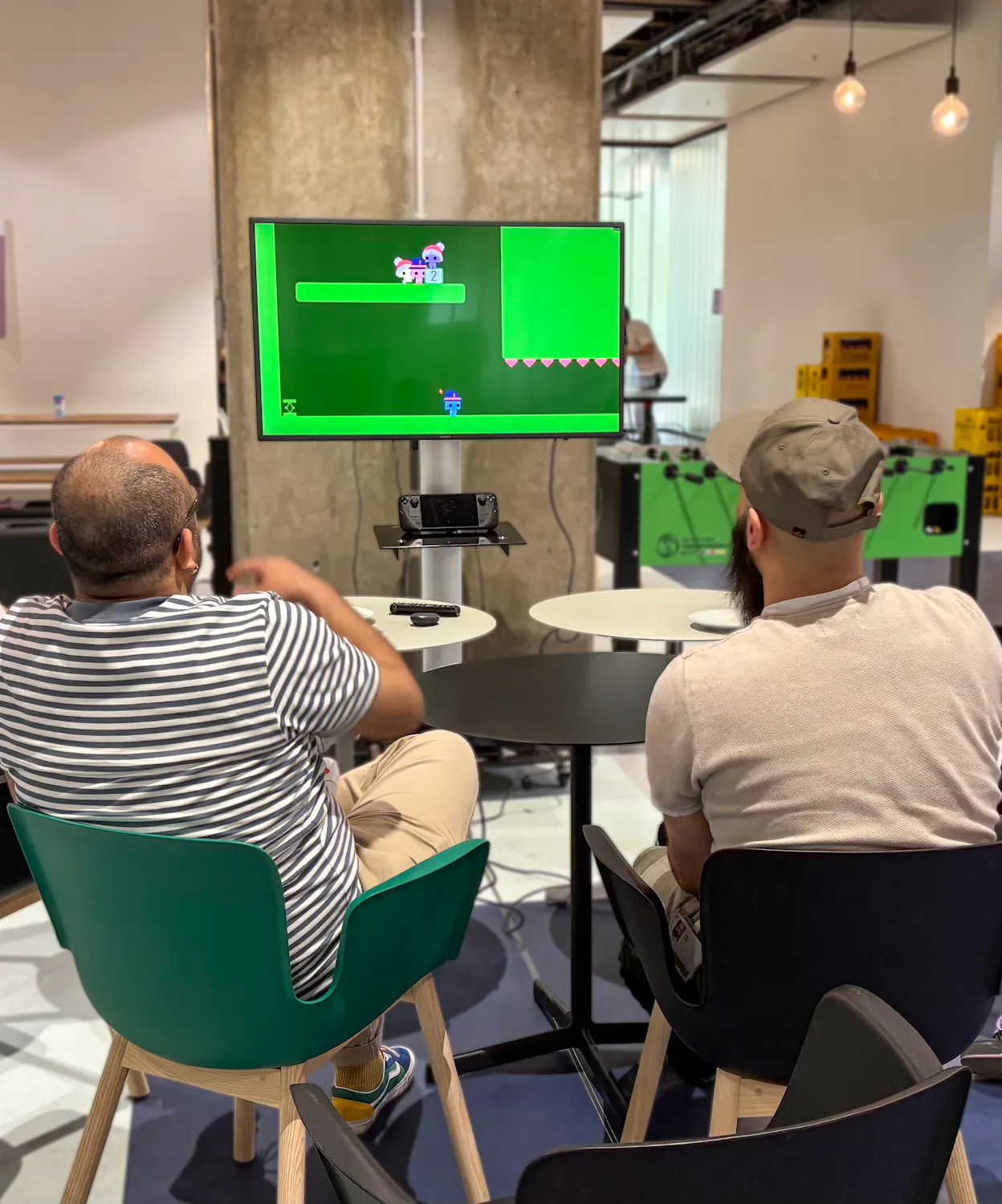
In our collaborative engineering teams, we naturally adopt roles that complement each other's strengths to reach our goals. At the Lounge by Zalando game night, we caught up with Software Engineers Larry and Allam to discuss how multiplayer gaming logic shapes engineering workflows.
Larry Almeida, Senior Software Engineer, fits the healer and support archetype. In multiplayer games, this role means watching health bars, map positions and cooldown timers. At Zalando, Larry tracks our team vitals. This means checking in on workloads, tones, risks and bottlenecks to maintain psychological safety and operational clarity.
Allam Abdel, Software Engineer, acts as a group coordinator, taking inspiration from cooperative games like Pico Park, where everyone must cross the finish line together to win. This mirrors how we work. We look past direct KPIs to focus on the value of supporting teammates. This approach prioritises collective long-term business value, helping us prevent hidden bugs and technical debt instead of just ticking checkboxes.
How can engineers apply game mechanics to tackle technical bottlenecks?
Solving complex software problems often mirrors the trial and error of a tough video game. When we face system bottlenecks, we can learn from how we play.
When you face team-level bottlenecks, try this cooperative strategy:
- Step back from the immediate code to look at team coordination and environmental roadblocks.
- Assign clear roles to test alternative setups safely through trial and error.
- Share the plan clearly so everyone sees how their tasks connect to the broader solution.
When you debug code or handle vague variables, try this iterative approach:
- Form a hypothesis by making an initial system claim to navigate in either direction.
- Watch how the system reacts and gather new data points through continuous interaction.
- Pivot based on data to iterate systematically until you resolve the root bug.
What lessons can gaming communication teach us about incident response?
During a live outage or a fast multiplayer match, poor communication breaks everything. Gaming comms can directly improve how we align during stand-ups and incidents.
First, keep it high-signal and low-noise. Give brief status updates with just enough context so you don't overwhelm the shared channel. This keeps the operational map clear for everyone, helping us spot, prioritise and address threats together.
Second, move from individual tasks to team coordination. When things get chaotic during a crisis, assign specific tasks so every engineer knows their exact role. Being transparent and clear of role expectations enables individuals to act with clarity.
How should developers balance reading documentation with executing code?
We approach documentation based on the risk, speed and complexity of the project.
Larry balances speed and risk by jumping straight into code when the stakes are low. This helps validate results early instead of delivering perfection too late. If the stakes are high, the strategy shifts. Read every bit of technical lore upfront so you don't bounce off the problem later.
Allam uses a learn-by-doing style for small, isolated tasks, diving right into execution. For complex tasks, Allam switches to thorough planning, documentation reviews and test-driven development. The best documentation setup balances short, actionable README files with links to deeper wikis.
How does game automation inspire real-world software engineering solutions?
The drive to optimise and automate often starts long before a formal tech career.
Building frameworks can lead to complex logic. Think about defining playbooks for real time strategy games to turn chaos into a winning setup. But static playbooks face trade-offs in unpredictable spaces, like a live match where an aggressive opponent tears down your plans.
Using scripts for repetitive tasks is a more dynamic fix. Automating in-game actions frees up your mind to focus on core priorities. In our engineering roles, this means using AI plugins and custom deployment scripts to cut out repetitive tasks, saving your energy for high-level problem-solving.
Which games offer breakthrough inspiration for UI/UX design?
Great user experience blends seamlessly into the environment instead of cluttering the screen. Look at environmental cues over cluttered HUDs. The game Left 4 Dead uses dynamic music, lighting and dialogue to build urgency. It proves that effective design focuses on emotion and clarity, not flashy details.
You can also integrate interface elements into the narrative. The indie game Undertale blends UI with the story. The main menu reacts to your past choices even after you try to wipe your save files. This completely changes how users perceive the system.
Why is community critical to staying sharp in a tech role?
Multiplayer gaming offers a community element that reinforces a healthy engineering culture. Hosting internal game nights builds trust, candour and camaraderie among colleagues. Working as a unit against systemic threats mirrors how we collaborate at Zalando, showing that mutual support is vital to our technical success. That’s why we have events like the Lounge Video Game Night. They give us a chance to work in teams we wouldn’t usually work in and test out new strategies for an evening.